The router category includes more than 450 models from multiple manufacturers — from home and office Wi-Fi routers to industrial M2M/IoT units with SIM card support. The range suits retailers who need fast-moving, high-turnover products as well as IT integrators building network infrastructure for businesses. A single catalogue covers everything from entry-level SOHO devices to premium German-made equipment for corporate networks.
Router segments by use case
- Home and SOHO Wi-Fi routers — the mass-market core for apartments and small offices, with a wide model spread across price points and strong turnover.
- Business network routers — devices with advanced management and security features for multi-user offices and branch networks.
- Professional network infrastructure — mesh systems, multi-WAN and VPN solutions for network administrators and integrators building networks for hotels, office buildings and production sites.
- Industrial and M2M/IoT routers with SIM support — LTE and 5G connectivity for remote sites, vehicles, payment terminals and production equipment where wired internet is unavailable.
Brand overview: mass market and premium
With 139 listed products, TP-Link is the category's clear volume leader and the backbone of the mass segment — a broad range from budget to mid-tier models makes it the base assortment for any retailer. The budget niche is complemented by Xiaomi, Totolink and Mercusys, a TP-Link sub-brand with an even simpler line-up.
ASUS (59 products) represents the higher-performance segment — routers built for gaming and heavy media use with stronger hardware. The professional networking space is led by UBIQUITI (34) and MIKROTIK (14), both known for flexible configuration and enterprise-grade features favoured by network integrators. Teltonika (30 products) is a Baltic manufacturer specialising in industrial and M2M routers, a strong fit for transport and IoT projects. Carrier-grade 4G/5G equipment comes from ZTE (26). The premium business-network segment is covered by German manufacturer LANCOM (26 products), while Netgear (24) and Zyxel (10) fill the mid-tier and business space between consumer products and enterprise solutions.
Building a router assortment for B2B
- Base the core stock on mass-segment models (TP-Link, Xiaomi, Mercusys) for fast turnover and price-sensitive buyers.
- Add business-class devices (Netgear, Zyxel) for the mid-tier — reliable options for small and medium companies above consumer level.
- Cover niche demand with professional solutions (UBIQUITI, MIKROTIK, LANCOM), typically bought by integrators and IT companies for specific projects — lower volume but higher margin.
- Develop the M2M/IoT segment with SIM-enabled routers (Teltonika, ZTE) separately — a growing niche in transport, banking and industry that needs mobile connectivity without fixed infrastructure.
B2B terms
All routers are available for wholesale and dropshipping, shipped from an EU warehouse with delivery across Latvia, Lithuania, Estonia and the rest of Europe. Prices and stock levels become visible after registering on the platform, which is reserved for business customers.





 TP-Link
4G LTE Mobile Wi-Fi
Out of stock
Price — for partners →
TP-Link
4G LTE Mobile Wi-Fi
Out of stock
Price — for partners →
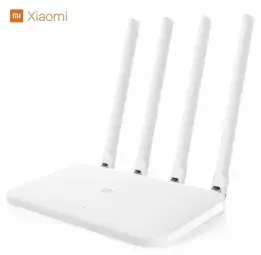 Xiaomi
 WiFi Router 4C White
Out of stock
Price — for partners →
Xiaomi
Xiaomi WiFi Router 4C White
Out of stock
Price — for partners →
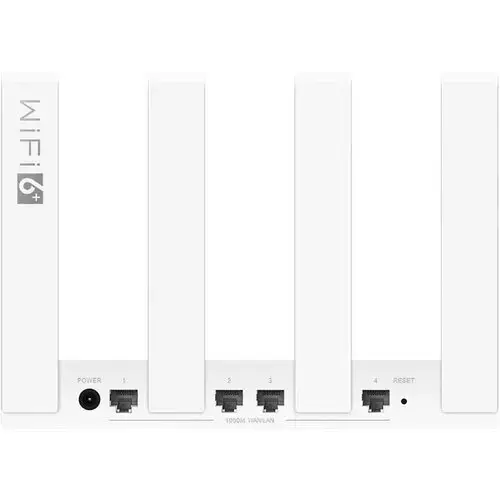 Huawei
 Original Router AX3 Pro White
Out of stock
Price — for partners →
Huawei
Huawei Original Router AX3 Pro White
Out of stock
Price — for partners →
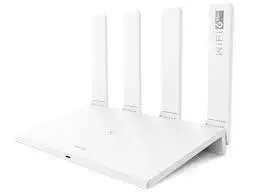 Huawei
 Original Router AX3 White
Out of stock
Price — for partners →
Huawei
Huawei Original Router AX3 White
Out of stock
Price — for partners →
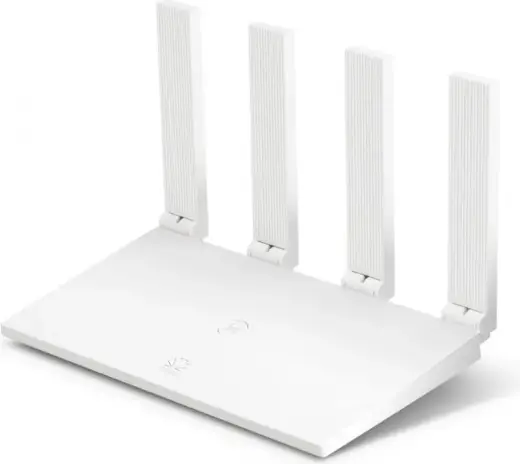 Huawei
 WS5200 Wireless router Dual Core | Gigabit | 5dBi
Out of stock
Price — for partners →
Huawei
Huawei WS5200 Wireless router Dual Core | Gigabit | 5dBi
Out of stock
Price — for partners →
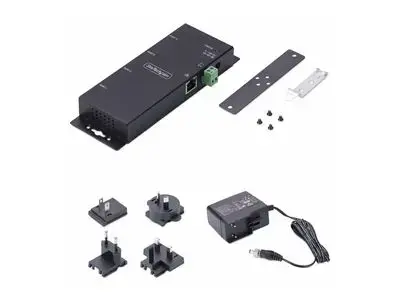 StarTech
.com 4P Serial to Ethernet Adapter, IP LAN to RS232 DB9 Converter - device server - TAA Compliant
Out of stock
Price — for partners →
StarTech
StarTech.com 4P Serial to Ethernet Adapter, IP LAN to RS232 DB9 Converter - device server - TAA Compliant
Out of stock
Price — for partners →
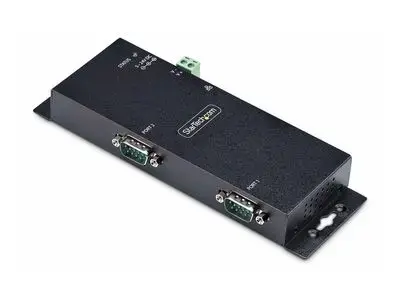 StarTech
.com 2P Serial to Ethernet Adapter, IP LAN to RS232 DB9 Converter - device server - TAA Compliant
Out of stock
Price — for partners →
StarTech
StarTech.com 2P Serial to Ethernet Adapter, IP LAN to RS232 DB9 Converter - device server - TAA Compliant
Out of stock
Price — for partners →
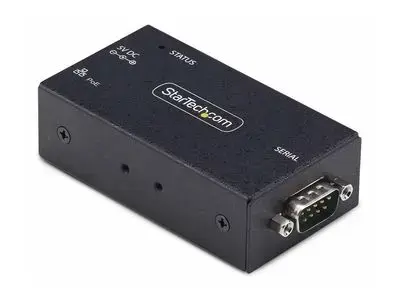 StarTech
.com Serial to Ethernet Adapter, IP LAN to RS232 DB9 Converter - device server - PoE - TAA Compliant
Out of stock
Price — for partners →
Digitus
DIGITUS Professional DN-82133 - media converter - 100Mb LAN, 1GbE
Out of stock
Price — for partners →
Digitus
DIGITUS Professional DN-82124 - media converter - 1GbE
Out of stock
Price — for partners →
StarTech
StarTech.com Serial to Ethernet Adapter, IP LAN to RS232 DB9 Converter - device server - PoE - TAA Compliant
Out of stock
Price — for partners →
Digitus
DIGITUS Professional DN-82133 - media converter - 100Mb LAN, 1GbE
Out of stock
Price — for partners →
Digitus
DIGITUS Professional DN-82124 - media converter - 1GbE
Out of stock
Price — for partners →
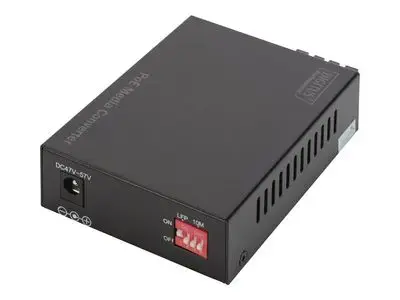 Digitus
DIGITUS Professional DN-82160 - fiber media converter - 10Mb LAN, 100Mb LAN, 1GbE
Out of stock
Price — for partners →
Digitus
DIGITUS Professional DN-82160 - fiber media converter - 10Mb LAN, 100Mb LAN, 1GbE
Out of stock
Price — for partners →